

Blog
Evaluating BPC-157 Purity Standards for Laboratory Use: A Researcher’s Checklist

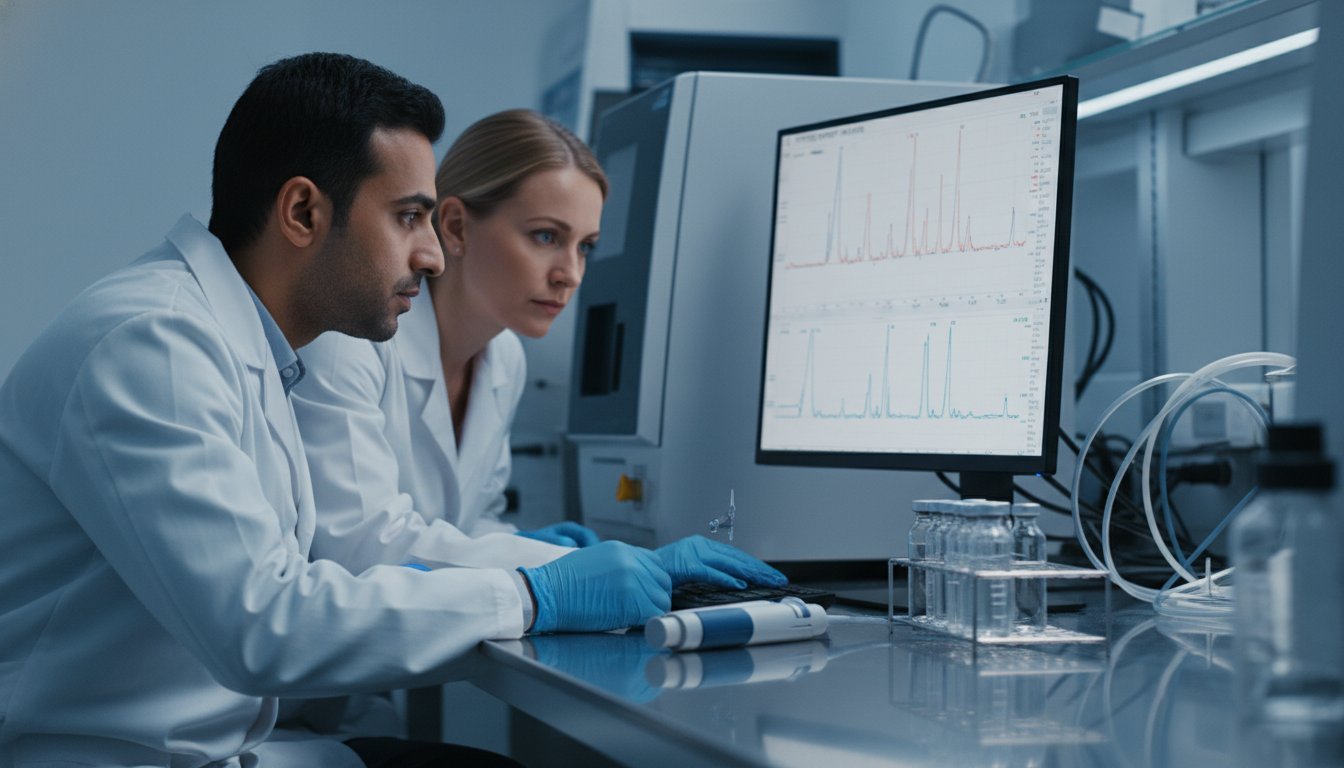
A 99% purity claim on a product label is professionally meaningless without the raw chromatographic data required to substantiate it. For the disciplined scientist, procuring a BPC-157 research chemical is not merely a procurement task but a critical phase in maintaining experimental validity. You recognize that even minute impurities or truncated peptide fragments can compromise biochemical assays and result in irreproducible data. This technical vulnerability often creates a significant gap between your intended methodology and the actual laboratory outcomes.
It’s a common frustration that the current landscape of peptide supply is often characterized by inconsistent quality and opaque reporting. This guide provides a rigorous framework for verifying peptide authenticity, ensuring that your research remains insulated from the risks of degraded or substandard compounds. We will examine the nuances of HPLC and Mass Spectrometry interpretation, the impact of molecular stability on long-term integrity, and the specific criteria for identifying a reputable research-grade source.
Key Takeaways
- Analyze the systemic cytoprotective mechanisms of the 15-amino acid sequence, specifically its capacity to upregulate Vascular Endothelial Growth Factor (VEGF) in experimental models.
- Execute a precise verification protocol for any BPC-157 research chemical by interpreting High-Performance Liquid Chromatography (HPLC) data to confirm chromatographic purity and molecular identity.
- Master the thermodynamics of reconstitution by selecting the correct solvent and employing gentle techniques to mitigate the risk of peptide shearing during laboratory preparation.
- Secure the reliability of your experimental outcomes by establishing a transparent procurement process based on batch traceability and rigorous documentation.
Defining BPC-157 within the Research Chemical Landscape
BPC-157 represents a highly specific subset of the peptide landscape, characterized by its derivation from a protein sequence naturally occurring in human gastric juice. It’s frequently identified by its descriptive title, Body Protection Compound. This 15-amino acid sequence serves as a cornerstone in modern biochemical investigations, particularly those focused on cytoprotective mechanisms. While consumer-facing markets often conflate research materials with finished products, the scientific community maintains a clear distinction. Research-grade BPC-157 is typically provided as a lyophilized powder. This specialized state is essential for preserving the primary structure and preventing premature hydrolysis before the compound is reconstituted for in vitro or in vivo assays.
A comprehensive BPC-157 Overview highlights its synthetic origin and its role in examining systemic healing processes. Identifying a high-quality BPC-157 research chemical requires a technical understanding of its manufacturing and intended application. It’s not a supplement or a medication; it’s a precise tool for data collection. Contemporary studies utilize this peptide to explore the modulation of nitric oxide pathways and the influence of growth factors on tissue regeneration. These investigations aim to quantify the peptide’s influence on angiogenesis and fibroblast migration within controlled laboratory settings.
The Molecular Structure of BPC-157
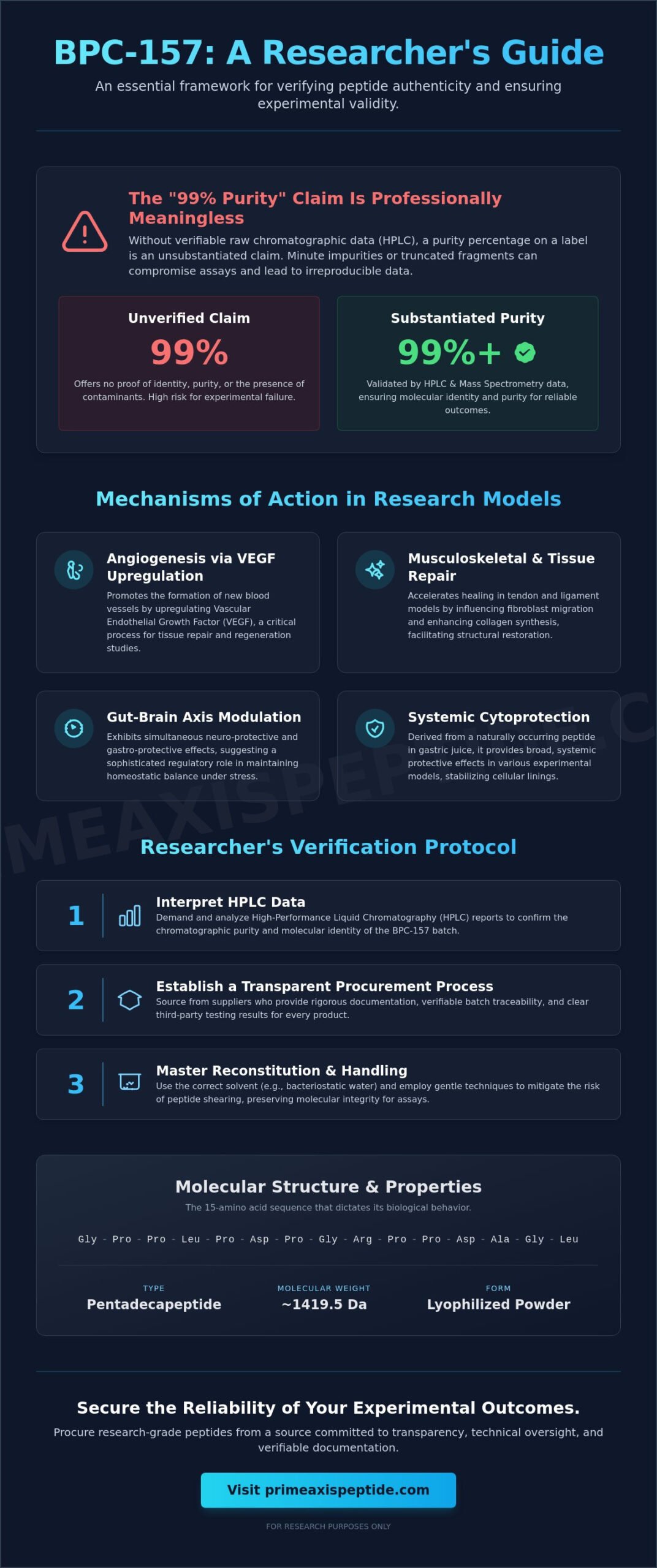
The primary sequence of this pentadecapeptide is Gly-Pro-Pro-Leu-Pro-Asp-Pro-Gly-Arg-Pro-Pro-Asp-Ala-Gly-Leu. This specific arrangement of amino acids dictates its biological behavior and interaction with cellular receptors. With a molecular weight of approximately 1419.5 Da, the compound exhibits specific solubility characteristics that researchers must account for during experimental design. Its structural stability is a primary focus for labs investigating tissue repair mechanisms. BPC-157 is a synthetic research reagent used to study cytoprotective pathways.
Regulatory Compliance and Laboratory Standards
Procurement of this peptide is governed by a strict “For Research Purposes Only” mandate. This isn’t a mere legal formality. It’s a fundamental requirement that separates laboratory reagents from unregulated consumer goods. Suppliers who prioritize procedural integrity maintain rigorous chemical distribution protocols to prevent the diversion of research-grade materials into unauthorized channels. These standards ensure that the material is used exclusively in controlled environments where variables can be monitored and recorded. Globally, the legal status of BPC-157 remains consistent within the scientific community; it’s a recognized tool for investigation, provided it’s sourced and handled under professional laboratory standards. Reliable procurement depends on a supplier’s commitment to transparency, technical oversight, and the provision of verifiable batch documentation.
Mechanisms of Action: BPC-157 in Experimental Tissue Repair Models
The functional utility of a BPC-157 research chemical is rooted in its pleiotropic effects within experimental tissue repair models. Researchers observe systemic cytoprotection that extends far beyond the gastric environment where the peptide sequence originated. Current investigations focus heavily on the “gut-brain-axis,” a complex signaling network where BPC-157 appears to modulate neuro-protective and gastro-protective responses simultaneously. These interactions suggest a sophisticated regulatory role in maintaining homeostatic balance under various pathological stressors. By stabilizing the cellular lining of the gastrointestinal tract, the peptide provides a foundation for studying broader systemic resilience in vivo.
Beyond the gut, the compound’s influence on fibroblast migration and collagen synthesis is a primary area of interest in musculoskeletal research. In tendon and ligament models, the peptide facilitates a faster transition from the inflammatory phase to the proliferative phase of healing. This process is essential for researchers aiming to quantify the structural restoration of connective tissues. Scientists who require precise biochemical responses in these complex models often prioritize high-purity peptide sources to ensure their data remains untainted by manufacturing artifacts.
Angiogenesis and Vascular Endothelial Growth Factor (VEGF)
Central to the peptide’s efficacy is the upregulation of Vascular Endothelial Growth Factor (VEGF). This process facilitates angiogenesis, the formation of new blood vessels, which is critical for restoring nutrient delivery to ischemic or damaged tissues. Experimental data regarding the acceleration of the healing process in musculoskeletal models shows that BPC-157 bypasses traditional growth factor limitations. This occurs largely through the modulation of the FAK-paxillin pathway, a signaling cascade essential for cell adhesion and movement. By activating these pathways, the peptide promotes the organized deposition of collagen fibers rather than the formation of dysfunctional scar tissue.
Nitric Oxide Signaling and Cytoprotection
The peptide’s interaction with the nitric oxide (NO) system further defines its cytoprotective profile. BPC-157 modulates the endothelium-dependent relaxation pathway, which directly influences vascular integrity and blood flow dynamics. Laboratory animal models have demonstrated its capacity to provide significant protection against NSAID-induced gastric lesions, effectively counteracting the inhibitory effects of non-steroidal anti-inflammatory drugs on mucosal health. BPC-157 serves a dual role in blood pressure regulation and tissue protection by modulating nitric oxide synthesis to maintain vascular homeostasis. By influencing these signaling molecules, the compound offers a robust model for studying systemic resilience and the mitigation of oxidative damage across diverse organ systems.
The Researcher’s Checklist for Peptide Purity and Verification
Rigorous experimental protocols demand more than a cursory glance at a product label. For any BPC-157 research chemical, the primary requirement is a batch-specific Certificate of Analysis (CoA). This document serves as the foundational proof of procedural integrity, detailing the analytical methods used to validate the compound. A reputable CoA shouldn’t just state a percentage; it must provide the raw data from both High-Performance Liquid Chromatography (HPLC) and Mass Spectrometry (MS). Without these primary records, a researcher cannot independently verify that the material meets the exacting standards required for reproducible science. Evaluating the quality of lyophilization is also critical. A uniform, white “cake” suggests professional processing, while a collapsed or discolored powder may indicate moisture ingress or thermal degradation during storage.
Beyond the visual and documented basics, the presence of residual solvents or counter-ions must be considered. Most synthetic peptides are produced using solid-phase synthesis, which often leaves traces of Trifluoroacetic Acid (TFA). While TFA is a standard reagent, high concentrations can be cytotoxic in sensitive cell culture assays. Top-tier laboratory reagents undergo additional purification steps to ensure these residues are minimized. Maintaining a strict checklist ensures that your laboratory resources don’t become a variable that compromises your findings.
Interpreting HPLC Reports
High-Performance Liquid Chromatography is the gold standard for determining the chromatographic purity of a peptide. When reviewing an HPLC chromatogram, focus on the primary peak. The purity is calculated by determining the Area Under the Curve (AUC) for this peak relative to any secondary peaks. These secondary peaks represent synthesis impurities, such as truncated sequences or deprotected fragments. A professional-grade report will show a sharp, symmetrical main peak with minimal baseline noise. If you’re Evaluating BPC-157 Purity Standards for Laboratory Use, you’ll find that a clear separation between the target peptide and minor impurities is the hallmark of superior manufacturing. It’s essential to ensure that the integration parameters on the report haven’t been manipulated to hide small impurity peaks.
Mass Spectrometry (MS) and Molecular Identification
While HPLC confirms purity, Mass Spectrometry confirms identity. This process measures the mass-to-charge (m/z) ratio of the molecules. You must match the observed molecular weight against the theoretical value of approximately 1419.5 Da. A clean MS spectrum should show a dominant peak at the expected mass, with no significant signals suggesting cross-contamination from other peptide sequences. For sensitive in vivo or in vitro protocols, a minimum 98% purity threshold is the industry benchmark. Anything lower introduces an unacceptable level of uncertainty into the experimental model. Verification of these metrics protects the integrity of the study and ensures that the observed biological effects are truly attributable to the BPC-157 molecule itself.
Best Practices for Reconstitution and Stability in Lab Settings
Maintaining the structural fidelity of a BPC-157 research chemical requires strict adherence to standardized laboratory protocols. The transition from a stable, lyophilized state to an aqueous solution introduces several variables that can compromise biochemical efficacy. Bacteriostatic water is the preferred choice for multi-dose applications because the 0.9% benzyl alcohol content inhibits microbial proliferation. While sterile saline is an alternative, it doesn’t possess preservative properties and is typically reserved for immediate, single-use assays where benzyl alcohol might interfere with sensitive cell cultures. Choosing the correct solvent is the first step in ensuring that your experimental results aren’t skewed by contamination or premature degradation.
Thermodynamic considerations are equally vital during the initial mixing phase. Peptides are inherently fragile molecules. Vigorous agitation or mechanical shaking can lead to “peptide shearing,” where the secondary structures are physically disrupted. This mechanical stress renders the compound biologically inactive and invalidates any subsequent experimental data. By respecting the delicate nature of these bonds, you ensure the integrity of the molecular sequence remains intact throughout the study. A disciplined approach to handling reflects the technical rigor required for high-level scientific inquiry.
Aseptic Reconstitution Protocol
Aseptic technique is paramount to prevent the introduction of exogenous contaminants. When introducing the solvent, aim the needle toward the inner wall of the vial. This “wall-drip” method allows the liquid to slowly descend and saturate the lyophilized cake without creating excessive foam. BPC-157 should be allowed to dissolve naturally without mechanical shaking. Precise concentration calculations are essential for experimental accuracy; for instance, adding 2mL of solvent to a 5mg vial yields a concentration of 2.5mg/mL. For those establishing new laboratory workflows, consulting a BPC-157 Reconstitution: A Laboratory Best Practice Guide provides the necessary technical depth for consistent preparation.
Long-term Stability and Degradation Factors
Temperature control is the most critical factor in preventing proteolytic degradation. Lyophilized powder remains stable for extended periods when stored at -20°C, provided it’s protected from light. Once reconstituted, the solution should be kept between 2-8°C and used within a specific timeframe to ensure maximum potency. Light exposure and repeated freeze-thaw cycles significantly accelerate the breakdown of the peptide chain. Researchers should perform a visual inspection before every use; a high-quality solution must be clear and free of particulates or cloudiness. Maintaining these standards is essential for researchers who order laboratory-grade peptides for high-stakes scientific studies.
Sourcing Reliable BPC-157 for Advanced Scientific Protocols
Procurement isn’t just a logistical transaction; it’s a critical component of laboratory quality control and data reliability. When you source a BPC-157 research chemical, the transparency of the supply chain determines the validity of your entire project. Traceable batch numbers allow for retrospective analysis if anomalies occur in your data, providing a clear path back to the specific synthesis conditions. Reliable vendors ensure that lyophilization is performed to a standard that maintains stability during transit, even if external temperatures fluctuate. This level of meticulous oversight protects the researcher from the hidden variability that often plagues lower-tier suppliers who lack specialized production facilities.
Evaluating a supplier’s clinical authority requires looking beyond the digital storefront. A disciplined provider understands the nuances of peptide synthesis, including the removal of residual TFA and the importance of moisture-free sealing. They provide not just a chemical, but a guarantee of procedural integrity that aligns with the highest industry benchmarks. This commitment to excellence is what separates an expert entity from a generic retailer. By choosing a partner that prioritizes technical rigor, you instill a sense of security in your laboratory’s output and ensure that your focus remains on the science rather than the quality of the reagents.
Why Prime Axis Peptides is the Choice for Researchers
Prime Axis Peptides maintains an uncompromising standard of >99% purity, verified through independent third-party analysis for every production run. For every vial of BPC-157 5mg, we provide comprehensive HPLC and MS documentation that is easily accessible for your records. This transparency allows you to verify molecular identity and chromatographic purity before the compound ever reaches your laboratory bench. Our approach is composed and professional, prioritizing the technical needs of the scientific community over the high-pressure urgency found in typical e-commerce. We don’t just sell peptides; we provide the foundational materials for prestigious research.
Streamlining Laboratory Procurement
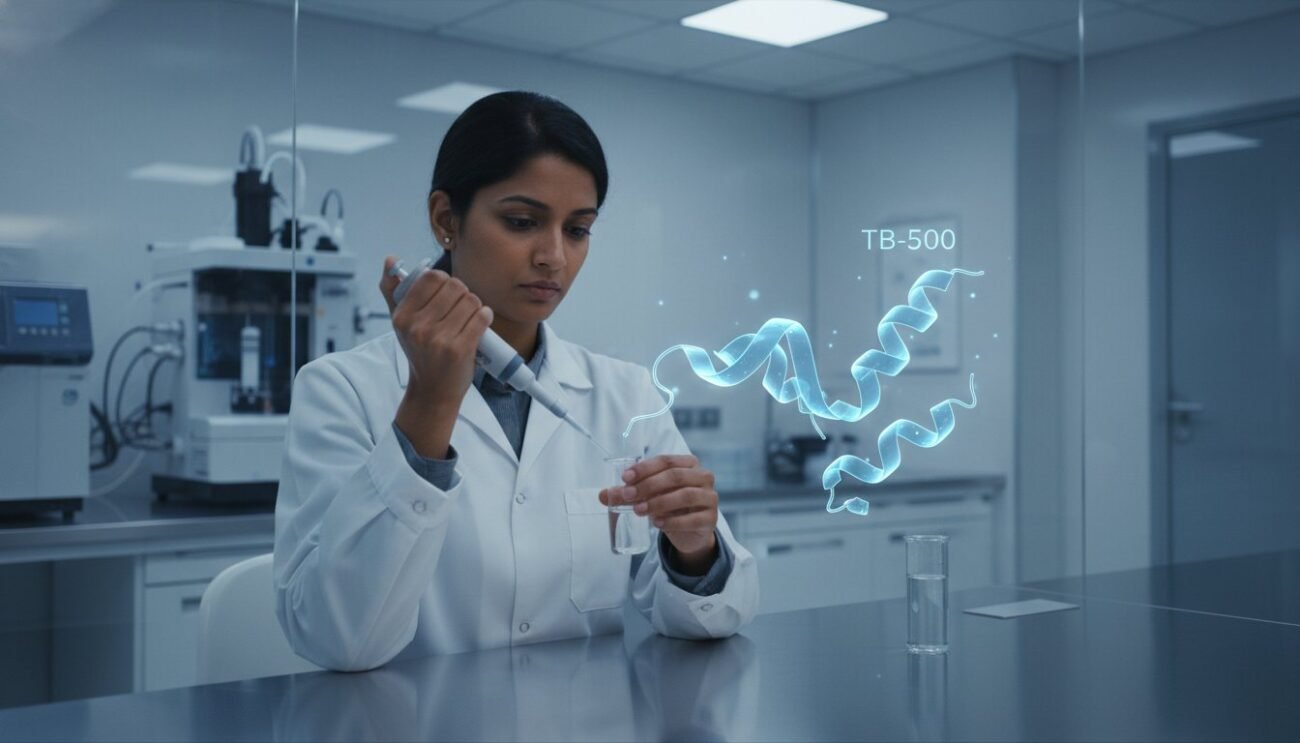
Laboratory workflows depend on the consistent, predictable availability of high-purity reagents. We streamline the procurement of essential compounds, including TB-500 and BPC-157, to support diverse experimental protocols from tissue repair models to systemic cytoprotection studies. By maintaining a robust inventory and a sophisticated, reliable distribution network, we ensure your facility has the resources required for advanced scientific inquiry. It’s essential to partner with a source that values transparency as much as you value your results. Procure High-Purity BPC-157 for Your Research Facility.
Advancing Experimental Integrity through Analytical Rigor
The transition from theoretical modeling to empirical validation depends entirely on the precision of your reagents. Establishing a BPC-157 research chemical as a reliable tool requires more than trusting a supplier’s reputation; it demands the active verification of chromatographic purity and molecular identity. By prioritizing raw HPLC and MS data, you eliminate the variables that often lead to inconsistent results or failed assays. Proper reconstitution and storage protocols further safeguard the compound’s secondary structure, ensuring that every milligram contributes to a more accurate understanding of cytoprotective pathways.
Your commitment to high-tier industrial standards distinguishes your research within the scientific community. Maintaining this level of technical rigor ensures that your findings are reproducible and authoritative. When you’re ready to elevate your laboratory’s capabilities, choose a partner that values procedural excellence as much as you do. Secure High-Purity BPC-157 5mg for Scientific Research. Our professional-grade chemicals are lyophilized for maximum stability and backed by third-party HPLC/MS verification. It’s our mission to support your next breakthrough with uncompromising quality.
Frequently Asked Questions
What is the theoretical molecular weight of BPC-157 research chemical?
The theoretical molecular weight of a BPC-157 research chemical is approximately 1419.5 Daltons. This value is the primary benchmark for verifying molecular identity through Mass Spectrometry (MS) analysis. Researchers utilize this specific weight to confirm that the synthesized 15-amino acid sequence matches the intended pentadecapeptide structure. Any significant deviation from this figure suggests the presence of truncated sequences or synthesis errors that could compromise experimental validity.
How should I store lyophilised BPC-157 to ensure long-term stability?
Lyophilized BPC-157 should be stored in a freezer at -20°C to maintain its primary structural integrity for extended periods. While the powder remains stable at refrigerated temperatures of 2-8°C for several months, deep-freeze storage is the professional standard for preventing gradual hydrolysis. It’s also vital to store the vials in a dark environment. Light exposure can trigger photo-degradation of the peptide bonds, leading to a reduction in the compound’s biochemical potency.
Can BPC-157 be reconstituted with standard sterile water for lab use?
Reconstitution can be performed with sterile water, but bacteriostatic water is the preferred solvent for most multi-dose laboratory applications. The 0.9% benzyl alcohol in bacteriostatic water inhibits microbial growth and preserves the solution for up to 28 days under refrigeration. If your specific assay is sensitive to preservatives, sterile saline is a viable alternative. However, saline-based solutions lack antimicrobial properties and should be used immediately after preparation to avoid contamination.
What purity level is required for BPC-157 in in vivo research?
A minimum purity threshold of 98% is required for in vivo research to ensure that observed data is not skewed by synthesis artifacts. Procuring a BPC-157 research chemical with >99% purity is often preferred by prestigious institutions to eliminate the risk of interference from truncated peptide fragments. Lower purity levels introduce unknown variables into the experimental model. These impurities can lead to inconsistent results and diminish the clinical authority of the published findings.
How do I interpret the HPLC report provided with my BPC-157 shipment?
Interpreting an HPLC report requires calculating the Area Under the Curve (AUC) for the primary peak relative to any secondary peaks. The primary peak represents the target peptide, while secondary peaks indicate synthesis impurities or degraded fragments. A sharp, symmetrical main peak with a flat baseline is the hallmark of a high-quality synthesis. You should verify that the integration parameters are clearly defined and that the reported purity percentage reflects the total area of all detected peaks.
Is BPC-157 stable at room temperature during shipping?
Lyophilized peptides are stable at room temperature for the duration of standard shipping windows because the absence of moisture prevents rapid degradation. The freeze-drying process creates a robust state that withstands the thermodynamic stresses of transit. Despite this inherent stability, you should transfer the vials to a controlled cold-storage environment at -20°C immediately upon receipt. This protocol ensures the compound’s long-term fidelity and prevents any cumulative degradation from repeated temperature fluctuations.
What are the common contaminants to look for in low-quality peptide synthesis?
Common contaminants in substandard peptide synthesis include residual Trifluoroacetic Acid (TFA), truncated sequences, and leftover organic solvents. TFA is a standard reagent in solid-phase synthesis, but excessive residues can be cytotoxic in sensitive cell culture models. Professional-grade reagents undergo additional purification and lyophilization cycles to reduce these contaminants to negligible levels. Researchers should always verify that their supplier utilizes rigorous ion-exchange processes to ensure the safety and precision of the reagent.
How does BPC-157 compare to TB-500 in tissue repair research models?
BPC-157 and TB-500 utilize distinct biochemical pathways and are often studied for their complementary effects in tissue repair models. BPC-157 primarily modulates the nitric oxide system and upregulates Vascular Endothelial Growth Factor (VEGF) to promote angiogenesis. TB-500, or Thymosin Beta-4, focuses on actin-sequestering and the facilitation of cell migration to damaged areas. While both are used to investigate regenerative processes, their different molecular targets require specific experimental designs to isolate their individual contributions to cytoprotection.





One thought on “Evaluating BPC-157 Purity Standards for Laboratory Use: A Researcher’s Checklist”